You’re about to hire someone in Mexico. Or Brazil. Or Colombia.
You’ve found the perfect person. They’re talented. The rate works. Time zones align.
Then you think: “Wait, what kind of contract do I even send?”
Good question.
Because getting this wrong doesn’t just mean awkward conversations. It means potential lawsuits, reclassification nightmares, and tax penalties that’ll make your accountant cry.
Let me walk you through what actually matters.
The Classification Problem Nobody Talks About Until It’s Too Late
Here’s the thing about Latin America: the laws are written to protect workers. Hard.
Most countries down there assume someone is an employee unless you prove otherwise. It’s called primacía de la realidad in legal speak. Reality over paperwork.
What does that mean for you?
If you treat someone like an employee but call them a contractor, the government will reclassify them. Then you’re on the hook for back pay, benefits, severance, and penalties.
Brazil is particularly strict about this. Their CLT labor code doesn’t care what your contract says. If the person works set hours, takes direction from you, uses your tools, and only works for you? Employee.
Mexico’s Federal Labor Law works the same way. Schedule them 9-to-5? Tell them exactly how to do their work? That’s employment, amigo.
Argentina takes it even further with their reality-over-form doctrine. Courts there almost always side with workers.
Colombia requires written contracts that get registered. No handshake deals.
So how do you stay on the right side of this?
What Your Contract Actually Needs to Say
Forget template contracts you found on Google. Those don’t cut it.
Your contract needs to prove autonomy. Real autonomy.
Include these specifics:
The worker sets their own schedule. They use their own equipment. They can work for other clients (and should). They invoice you, not the other way around. They control how the work gets done, you just define what needs doing.
Write it explicitly. “Contractor maintains complete independence in determining work methods, hours, and location.”
IP ownership matters more than you think.
Everything they create belongs to you. Code, designs, content, AI-assisted work, everything. Use work-for-hire language. Be specific.
Don’t assume “I paid for it so I own it.” That’s not how it works everywhere.
Confidentiality and data protection.
Brazil has LGPD. It’s their version of GDPR. If your contractor touches customer data, your contract needs to address cross-border data transfer compliance.
Include NDAs. Define what’s confidential. Specify how data gets handled and deleted.
Tax responsibility.
Make it crystal clear: the contractor handles their own taxes. You’re not withholding anything (unless you’re using an EOR, which we’ll get to).
Termination terms.
Define notice periods. In some countries like Argentina, you might owe severance even to contractors depending on the relationship length and structure.
Better to know upfront than get surprised later.
The EOR Question: Do You Actually Need One?
Employer of Record services handle compliance for you. They employ the person locally, you pay the EOR, everyone sleeps better.
When does this make sense?
If you’re hiring multiple people. If the work relationship looks employee-ish (even if you don’t want it to). If you want someone else to worry about local labor law changes.
What to check before signing with an EOR:
Do they own actual entities in-country, or are they reselling someone else’s service? Do they provide IP transfer documentation? Who’s liable if misclassification happens—them or you?
Setting up your own entity takes 3-4 months and costs a fortune. EORs solve that.
But for one or two truly independent contractors? Might be overkill.
Country-By-Country Reality Check
Mexico is probably your easiest entry point. Time zones overlap with the US. Strong talent pool from UNAM and Tec de Monterrey. Just don’t create an employment relationship by accident.
Mexicans expect aguinaldo (a 15-day Christmas bonus) and profit sharing if you’re an employer. As a contractor relationship? Not required. But offering something similar builds loyalty.
Brazil has the largest tech talent pool in Latin America. USP and Unicamp produce great engineers.
The catch? Brazil’s labor laws are intense. Your contractor needs to prove they work for multiple clients. Keep good documentation.
LGPD compliance isn’t optional if they’re handling any user data.
Colombia offers cost-effective talent with solid English skills. Universidad de los Andes produces quality grads.
All contracts must be written and registered. Don’t skip this step.
Benefits like prima (a mid-year bonus) and cesantías (severance fund) are mandatory for employees. Keep the relationship clearly contractual.
Argentina has exceptional tech talent, especially in AI and development. UBA graduates are legit.
The economy’s volatile, which means rates can be attractive. But labor laws heavily favor workers. Courts will reclassify relationships if they smell employment.
Document everything showing independence.
The Cultural Stuff That Actually Affects Your Contract
Latin American business culture is relationship-first. Sending a contract without building rapport feels cold.
Have a conversation first. Explain why certain clauses exist. Don’t just email a PDF and expect a signature.
Hierarchy matters. Direct criticism in contracts (like strict penalty clauses) can come off harsh. Frame things collaboratively.
Holidays are non-negotiable. And there are a lot of them.
Carnival in Brazil shuts things down for days. Semana Santa (Holy Week) is huge everywhere. Christmas and New Year mean extended family time.
Build this into your contract and project timelines. Trying to enforce work during these periods damages relationships and productivity tanks anyway.
Include a clause acknowledging major local holidays. Shows respect, prevents conflict.
Payment Mechanics That Don’t Suck
Pay in USD when possible. Most contractors prefer it.
Use Wise or similar services with low fees. Mexican contractors can receive USD directly to Mexican bank accounts. Brazilians often prefer USD to avoid exchange rate games.
Invoice-based payment is crucial. Contractors should invoice you, not fill out timesheets. Timesheets scream “employee.”
Milestone payments work better than hourly for contractor relationships. Defines deliverables, reinforces independence.
The Onboarding Checklist Nobody Gave You
Before someone starts:
Verify their contractor status documentation. Do they have other clients? Can they prove it?
If using an EOR, get the tripartite agreement signed (you, EOR, worker).
Run background checks if the role requires it. Security certifications matter for certain industries.
Start with a pilot. Hire 1-3 people for 3-6 months before scaling to 50. Learn what works in your specific situation.
Set up async communication. Even with good time zone overlap, async tools (Loom, detailed written updates) prevent bottlenecks.
The Retention Thing
Here’s what most people miss: you can offer benefits-like perks without creating an employment relationship.
End-of-year bonuses. Health insurance stipends. Professional development budgets.
Frame these as discretionary, not mandatory. “We typically offer” not “you’re entitled to.”
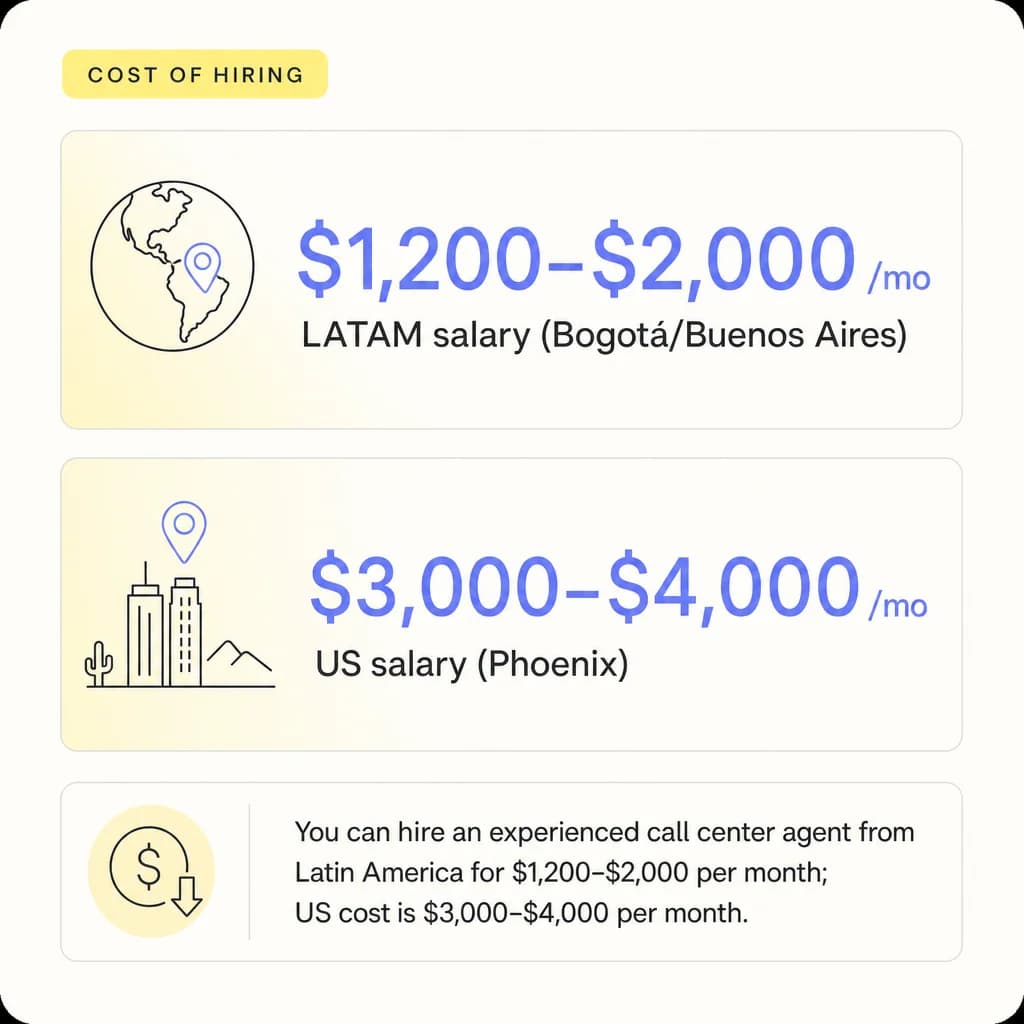
Pay above local market rates. A great developer in Colombia costs less than a mediocre one in the US, but don’t be cheap. Pay well, retain longer.
Respect their independence. Don’t micromanage. Don’t require specific hours unless absolutely necessary.
The best contractors stay because they want to, not because they have to.
What Actually Happens When You Get This Wrong
Misclassification audits. Reclassification orders. Back payment of benefits, social security, and taxes. Penalties on top.
In Brazil, you could owe 13th salary, vacation pay, FGTS deposits going back years.
In Mexico, profit sharing and aguinaldo retroactively.
Argentina? Severance payments that’ll hurt.
Plus legal fees. Plus the time sink. Plus the reputation damage.
All avoidable with a proper contract upfront.
The Bottom Line
Cross-border contracts aren’t scary if you know what you’re doing.
Prove independence. Own the IP. Respect local laws and culture. Pay fairly and on time.
Use an EOR when it makes sense. Go direct when it doesn’t.
Document everything. Not because you don’t trust people, but because clear agreements prevent problems.
Latin America has incredible talent. The time zones work. The cost structure makes sense. The quality is there.
The contract is just the foundation that makes everything else possible.
Get it right once, then focus on building something great together.
That’s the real opportunity.