
Office jobs come with visible costs. Rent, desks, and a coffee machine are obvious. But there are quieter costs that add up for both workers and employers.
Remote work removes many of them. And hiring remote talent can make those savings real.
This article walks through the hidden costs employees face, the hidden costs employers carry, and how remote work erases them.
Short sentences. Real examples. Practical takeaways.
Hidden Costs Employees Face
People usually think salary and taxes. They forget the daily extras. Those extras pile up.
1. Commuting
Gas, public transit fares, ride shares. It’s money and time.
Wear and tear on a car. Insurance and maintenance increase with mileage.
Stress and lost productivity from long commutes.
Example: A 45-minute commute each way is nearly 2.5 hours a day. That’s time not spent working, resting, learning, or with family.
2. Food and Beverage
Daily lunches, coffee runs, snacks. Cafés and food courts add up.
Eating out is often more expensive than preparing meals at home.
Small daily costs become large yearly expenses. $8 lunch five days a week is over $2,000 a year.
3. Work Wardrobe and Grooming
Professional clothing costs money. Dry cleaning, repairs, replacements.
Shoes add up. Seasonal wardrobes too.
Employees often underestimate the lifetime cost of dressing for the office.
4. Childcare and Scheduling Overheads
Office hours often force more childcare costs.
Rigid schedules reduce flexibility for appointments and emergencies.
Parents may pay for longer daycare hours or backup care because they can’t shift their workday.
5. Office-Adjacent Expenses
Professional networking events, commutes to after-work meetings, parking fees.
Social obligations tied to office culture: lunches, drinks, group gifts.
These costs are social, not optional for many workers.
Hidden Costs Employers Face
Companies see obvious line items: rent, utilities. They often miss the recurring, creeping costs.
1. Office Space and Real Estate
Rent is one of the largest fixed costs.
Maintenance, cleaning, and property insurance add to overhead.
Even partially empty offices still cost the same monthly rent.
2. Utilities and Facilities
Electricity, heating/cooling, water, internet, and cleaning.
Office cafeterias, coffee, and snacks supply costs.
These operating expenses scale with square footage and headcount.
3. Equipment and Furniture
Desks, chairs, monitors, docking stations, specialized tools.
Depreciation and replacement cycles.
Good equipment matters for productivity. It also costs money.
4. Onboarding, Office IT, and Support
IT support for office networks, printers, meeting rooms.
Security systems, access badges, and receptionist staff.
In-office systems require dedicated staff to maintain them.
5. Turnover and Lost Productivity
Poor commute times or rigid policies increase churn.
Recruitment, training, and the lost institutional knowledge are expensive.
Turnover isn’t just a hiring cost. It’s productivity erosion.
How Remote Work Eliminates These Costs
Remote work doesn’t magically remove every cost. But it shifts and reduces many of them. Here’s how.
Employees Save Money and Time
No daily commute. Less fuel, transit fares, and vehicle wear.
Fewer lunches out. More home-cooked meals.
Smaller wardrobe expenses.
Greater schedule flexibility can lower childcare costs.
Remote work converts commute time into sleep, family time, or focused work.
Employers Reduce Overhead
Smaller or flexible office footprints. Lower rent.
Reduced utilities and facilities expenses.
Less on-premise IT and fewer shared resources to maintain.
Opportunity to hire distributed teams, lowering regional cost pressures.
Remote-first companies can reallocate savings into pay, benefits, or tools that improve team performance.
Productivity and Talent Pool
Studies show many workers are as productive or more when remote.
Hiring across time zones lets companies build teams that cover more hours or find skill fits faster.
This can translate to faster output and lower hiring friction.
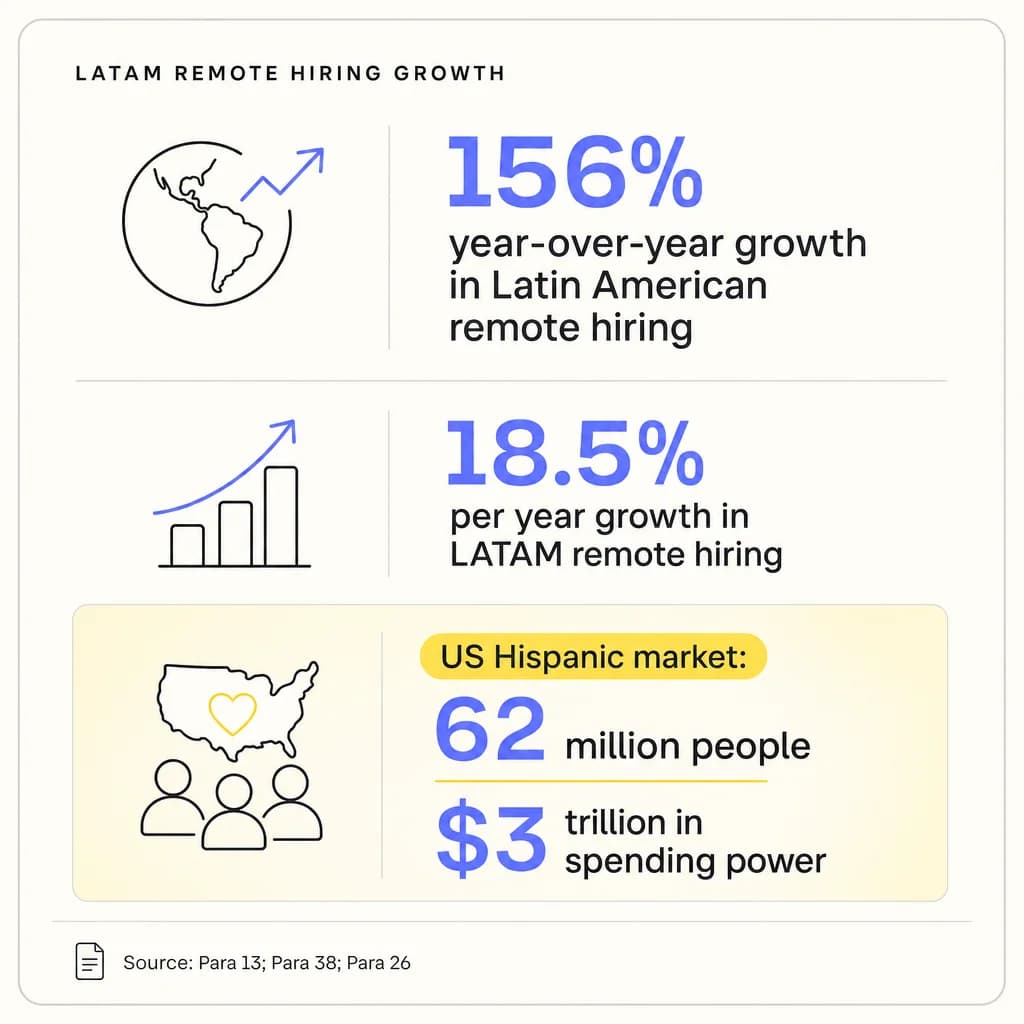
Why Hiring from Latin America Is Attractive for Remote Roles
Latin America offers a strong value proposition for companies looking to hire remote talent.
Time zone alignment with North America. Easier real-time collaboration than with distant regions.
Highly skilled talent pools in engineering, design, customer support, and more.
Competitive costs relative to local hires in the U.S. or Europe, without sacrificing quality.
Practical Steps for Companies Considering Remote Hiring
Start with hybrid or remote-friendly roles. Test the model.
Budget for distributed tools: async communication, security, and project management.
Offer remote onboarding and clear documentation.
Use regional partners or platforms (like hiretalent.lat) to source, interview, and hire Latin American talent.
Reinvest a portion of real estate savings into employee experience.
These steps reduce risk and make remote transitions smoother.
Final Thoughts
Hidden costs are real. They hit paychecks, HR budgets, and the company balance sheet. Remote work reduces many of those costs. It gives workers time and money back.
It gives employers flexibility and lower fixed expenses.
Hiring remote talent from Latin America is a practical way to capture these benefits.
Similar time zones, great skills, and competitive costs make it a smart option for many companies.
If you’re thinking about a remote shift, start small. Measure savings. Ask employees what matters. Reinvest the wins into better tools and better pay.
Remote work isn’t a fad. It’s a different way to spend less and get more.