You know what nobody talks about?
The real difference between hiring a developer who works out for three months versus three years.
It’s not the tech stack. It’s not even the hourly rate.
It’s whether you actually understand what you’re doing when you hire across borders.
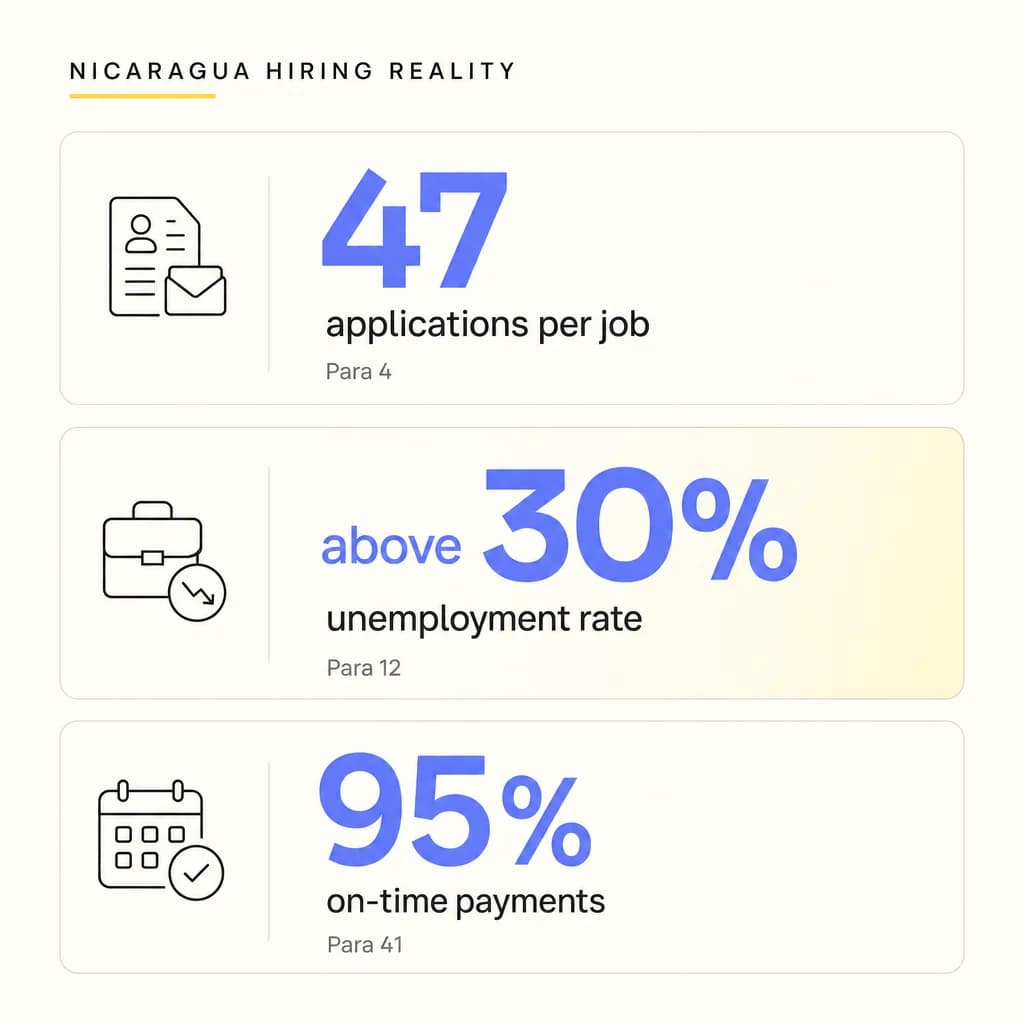
I’ve seen companies burn through five developers in a year. Then I’ve seen others build their entire engineering team in Latin America and never look back.
The difference? They did their homework.
Let me show you what actually matters.
Why Mexico and Peru Make Sense (And Why They’re Different)
Here’s the thing about Mexico, you get a massive talent pool and time zones that actually work. Your developer in Guadalajara is online when you’re online.
Mexico City, Monterrey, Guadalajara. They’re real hubs with universities pumping out developers who’ve been coding since high school.
Peru is different.
Smaller pool. But the seniors coming out of Lima universities? They’re deep. Really deep. And here’s the kicker
You’re looking at $59,000 to $87,000 annually for senior talent. That’s 60–65% less than a comparable US hire.
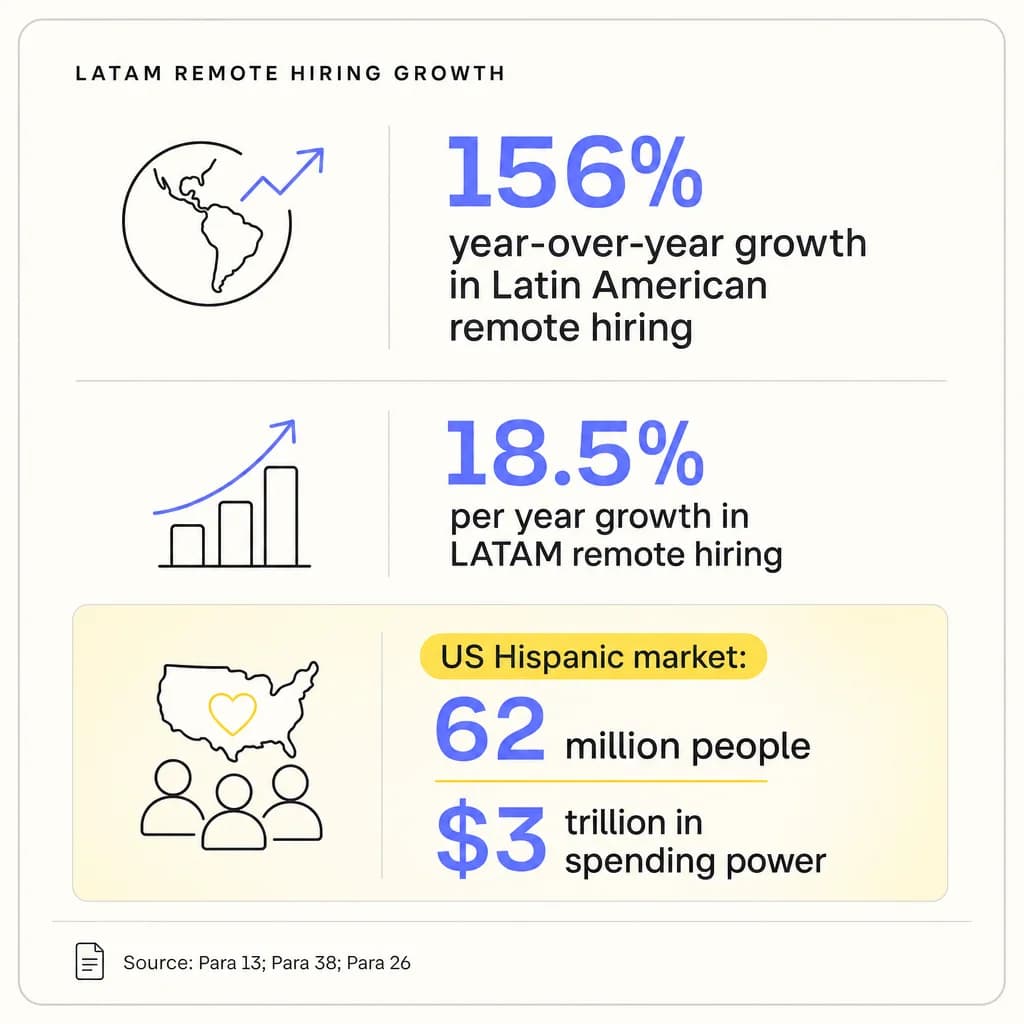
Peru’s employer cost multiplier sits at 1.25–1.35x the salary. Mexico’s is 1.3–1.5x. Compare that to Brazil at 1.7–2.0x and you start to see why this matters when you’re scaling.
But cost isn’t the whole story.
Where to Actually Find These Developers
Forget the generic job boards for a second.
You want developers who are already working remotely, who already know how to communicate across time zones, and who won’t disappear after two weeks because they didn’t understand what remote work actually means.
Platforms that pre-vet save you weeks. HireTalent.LAT handles Mexico and Peru.
They screen for technical skills and English fluency before you ever see a resume.
Indeed shows 63,000+ remote software jobs across Latin America right now. We Work Remotely has senior full-stack positions in Mexico.
The talent is there. You just need to look in the right places.
The Vetting Process Nobody Tells You About
Technical skills are table stakes. Everyone tests for that.
What breaks remote hires is everything else.
Start with English fluency. Not “can read documentation” English. Can they explain a technical problem on a video call? Can they push back on a bad idea? Can they write a Slack message that doesn’t require three follow-ups?
If they can’t communicate clearly, nothing else matters.
Cultural fit isn’t about ping pong tables. It’s about work style. Peruvian developers value relationship-building.
If you skip the small talk and jump straight to tasks, you’re starting on the wrong foot.
Mexican developers expect some hierarchy. They want to know who makes decisions and they want clarity on structure. Give them that and they’ll run through walls for you.
Here’s your actual vetting process:
- Run a technical screen. Python, JavaScript, whatever your stack is. Use a platform that does this or build your own test.
- Do a video interview. Watch how they explain their thinking. Do they ask questions? Do they admit when they don’t know something?
- Check references from past remote projects. Not just “did they do good work” but “did they communicate well across time zones?”
- Run a paid trial project — one or two weeks. Something real from your backlog. Focus on deliverables, not hours logged. See if the rhythm works.
The trial project reveals everything.
That trial is worth more than ten interviews.
What Works as Compensation
Mexico requires competitive USD salaries with benefits: health insurance and the works. You’re not getting a discount by low-balling. The good developers know their worth.
Peru gives you more flexibility on cost. But don’t be cheap. $59k–$87k for seniors is the range.
Add benefits that matter: remote work stipends, equipment, and a professional development budget.
Contractors need engagement tools. They’re not getting the security of employment, so give them reasons to stick around: a clear growth path, interesting projects, and respect for their time.
The Legal Stuff You Can’t Ignore
Mexico’s labor law is employee-centric. Contracts need to detail everything: role, pay frequency, benefits, confidentiality.
If more than 40% of work is remote, it’s officially “telecommuting,” which triggers requirements.
You have to provide equipment: laptops, ergonomic chairs, the works. You reimburse internet and electricity. You register for Mexican tax ID, social security, and workers’ comp.
Peru has a different trap. They call it the “primacy of reality.” If it looks like employment, courts will call it employment. Fixed schedules? Supervision? Exclusivity? That’s employment.
If they reclassify your contractor, you’re liable for EsSalud (9% health contribution), gratificaciones (two extra salary payments per year), and CTS severance.
Don’t wing this. The penalties aren’t worth it.
What Success Actually Looks Like
The companies that win with remote Latin American teams treat developers as teammates, not cost savings.
They invest in onboarding. They build relationships. They create rituals that include remote team members.
They focus on outcomes. They communicate clearly. They respect time zones.
They handle compliance properly from Day 1. They don’t try to save a few bucks by misclassifying people.
The three-year developer versus the three-month developer? It comes down to whether you did this right from the start.
Mexico and Peru have incredible technical talent: developers who can build anything you need, who communicate well, and who want long-term relationships with good companies.
But you have to meet them halfway.
Do your homework. Use the right platforms. Vet properly. Handle the legal stuff correctly. Respect the cultural differences.
Do that, and you’ll build a team that compounds in value every year.
Skip those steps, and you’ll be hiring again in three months.
Your choice.