Here’s what usually happens.
A company hires a remote worker from Colombia or Argentina or Brazil. That person does excellent work. The company wants to reward them with a promotion.
Then… nothing happens.
Not because the company doesn’t want to promote them. But because they don’t know how to do it properly.
So the promotion gets delayed. Or it happens informally, with no real structure.
Six months later, that person quits.
They felt stuck. They couldn’t see a future. They didn’t know what the promotion actually meant.
They just don’t have a system. Here’s what you can do
Are You Looking to Hire in Latin America and Unsure Where to Start?
Sign up for an account and recruit your next employee within minutes!
Get StartedThe Right Way to Set Up Promotions
Let’s talk about what actually works.
Show Them the Path Before They Ask
The biggest mistake? Waiting until someone asks about advancement.
By then, they’ve already been looking at other opportunities.
Create a written career path during the hiring process. Not some vague “we promote from within” statement.
Actual criteria. Real timelines. Specific skills they need to develop.
“After 6 months of hitting quarterly targets, you’ll be eligible for senior role. That means leading two projects independently and mentoring one junior person.”
Put this in a shared document. Reference it in reviews.
When people can see the path forward, they stick around. When they can’t, they leave.
This isn’t complicated. But most companies skip it entirely.
Create a Real Onboarding for the New Role
Promoting someone isn’t just changing their title and salary.
Treat it like they’re starting a new job. Because they are.
Days 1-30: Learning phase. They shadow the new responsibilities. They ask questions. They don’t own outcomes yet.
Days 31-60: Transition phase. They start owning their new scope. You’re still checking in frequently. They’re making decisions with backup.
Days 61-90: Full ownership. They run their area. You review outcomes, not activities.
Schedule weekly one-on-ones throughout this period. Twenty-five minutes. Camera on. Shared agenda.
Most promotion failures happen because companies skip this onboarding. They assume “you already work here, you’ll figure it out.”
That’s lazy. And it tanks the promotion.
Pay Them Properly and Transparently
Research what the promoted role pays in their local market. Not what it pays in San Francisco or London. What it pays locally, for remote work, in USD.
A senior developer in Buenos Aires making $3,000 USD remotely is doing very well. That same person would need $8,000+ in the US for equivalent purchasing power.
But here’s the key: be transparent about the total package.
Base salary
Benefits
Any equity or bonuses
Equipment stipends
Everything
Surprises about compensation destroy trust instantly.
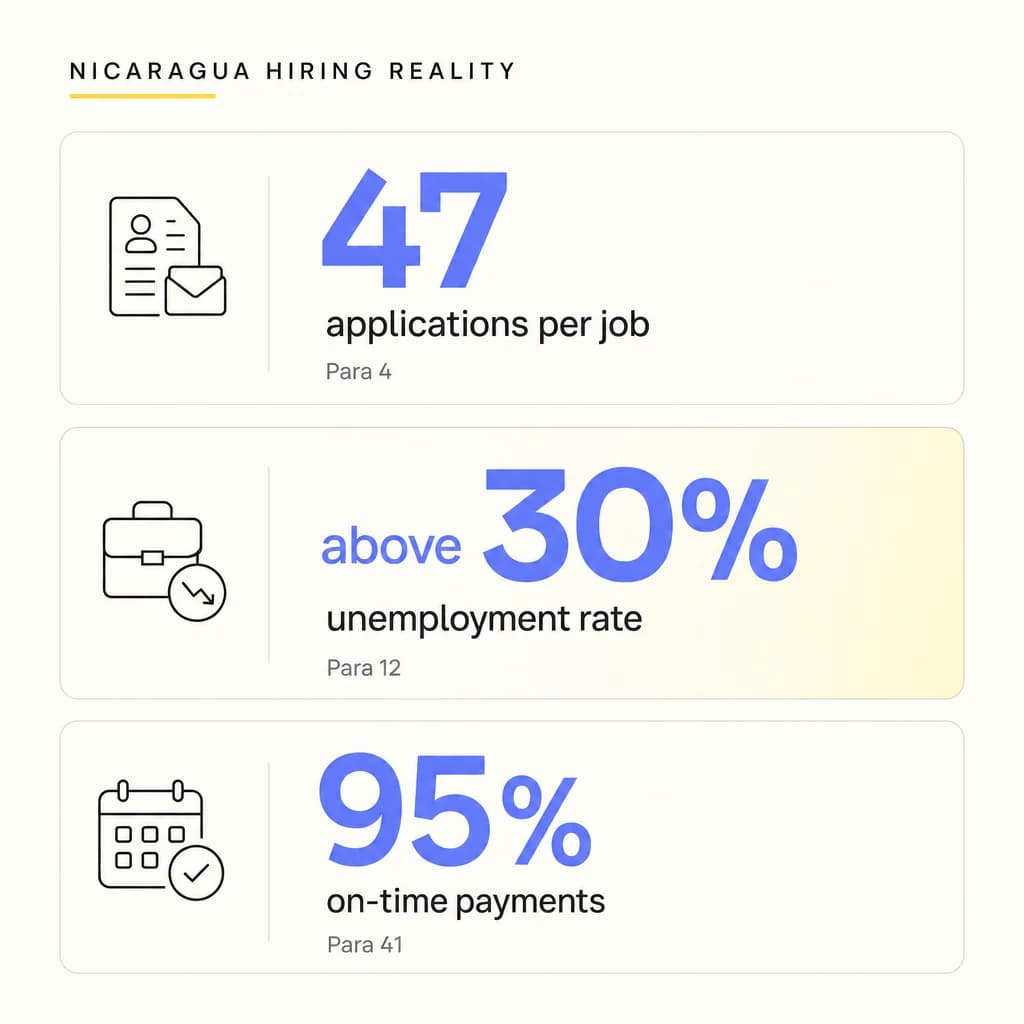
And pay on time. Every time. Use reliable payment platforms. Nothing kills morale faster than late or inconsistent payments.
The Cultural Pieces That Matter
Let’s talk about the stuff that doesn’t show up in employment contracts.
Recognition Has to Be Public
In many Latin American cultures, public recognition matters more than private praise.
A Slack shoutout in the company channel? That means something.
A private “good job” in a DM? Nice, but forgettable.
When you promote someone, announce it. Explain why they earned it. Make it visible.
This isn’t about ego. It’s about showing everyone else that advancement is real and achievable.
Use a Buddy System
When someone gets promoted, pair them with someone at a similar level.
Not their manager. A peer who’s been in a similar role for a while.
This gives them someone to ask “stupid questions” without feeling judged. Someone who understands the cultural context and can translate unwritten rules.
This is especially important if your promoted employee is the first person from their country in a leadership role at your company.
They need someone who gets it.
What to Avoid
Let’s cover the mistakes that create actual problems.
Don’t promote without documentation. Verbal promotions lead to misunderstandings. Write it down. Title, responsibilities, compensation, timeline.
Don’t assume contractor status works forever. If someone’s managing people or making strategic decisions, they’re probably not a contractor anymore. Fix the structure.
Don’t skip the performance framework. “Just do better” isn’t a success metric. Define what good looks like in the new role.
Don’t ignore local compliance. Each South American country has different employment laws. Brazil is particularly strict. Use an EOR if you’re not sure.
Don’t make promises you can’t keep. If the promotion comes with equity, make sure you can actually grant it to someone in their country. If it comes with benefits, make sure those benefits exist there.
Making It Stick
Promotions fail when they’re one-time events.
They succeed when they’re part of an ongoing system.
Review your promotion framework every 90 days. Are people actually advancing? Are the criteria clear? Are people quitting right after promotions?
If people are leaving within six months of a promotion, your onboarding process is broken.
If people are staying for years without advancement opportunities, your career paths are broken.
If people are confused about what they need to do to get promoted, your documentation is broken.
Fix these things before they become retention problems.
The Bottom Line
Promoting remote workers from Latin America doesn’t have to be complicated.
You need clear career paths, proper employment structures, real onboarding, transparent compensation, and cultural awareness.
Skip any of these and you’ll create problems.
Include all of them and you’ll keep your best people, build a stronger team, and avoid legal headaches.
The companies that figure this out early have a massive advantage. They can hire incredible talent across South America and actually keep them long-term.
The companies that wing it lose people right when they become most valuable.
Your choice.