You’re about to hire your first developer from Latin America.
Or maybe you’ve already tried and got burned.
Either way, you probably have questions keeping you up at night.
I’ve talked to hundreds of tech leaders going through this exact process. The questions they ask are almost always the same.
And honestly? Most of them are asking the wrong questions first.
Let me walk you through what actually matters.
Where Do You Actually Find Good Latin American Developers?
This is usually the first question.
And it’s where most people mess up.
You think “I’ll just post on Upwork” or “I’ll try Fiverr.”
Bad idea.
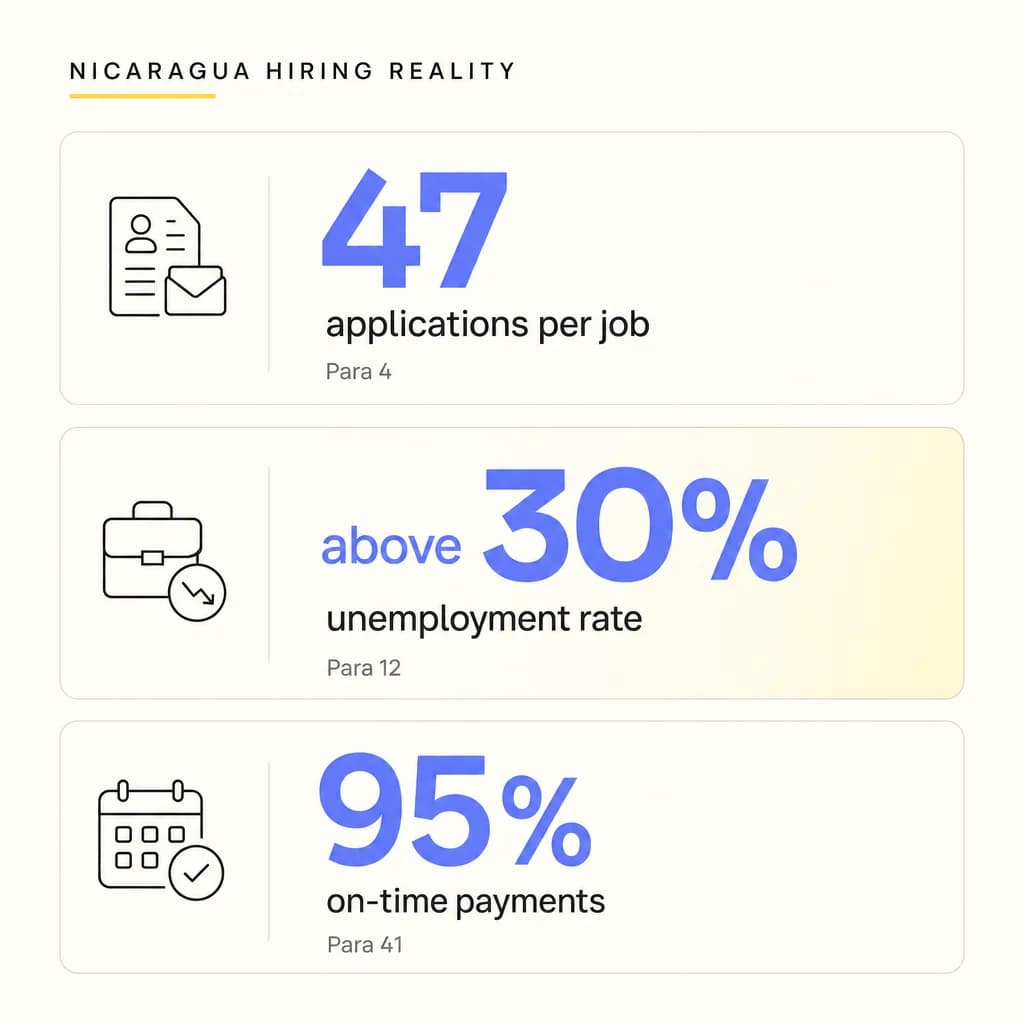
You get flooded with applications. Most are garbage. You waste three weeks interviewing people who looked great on paper but can’t actually code.
So where do the good developers actually hang out?
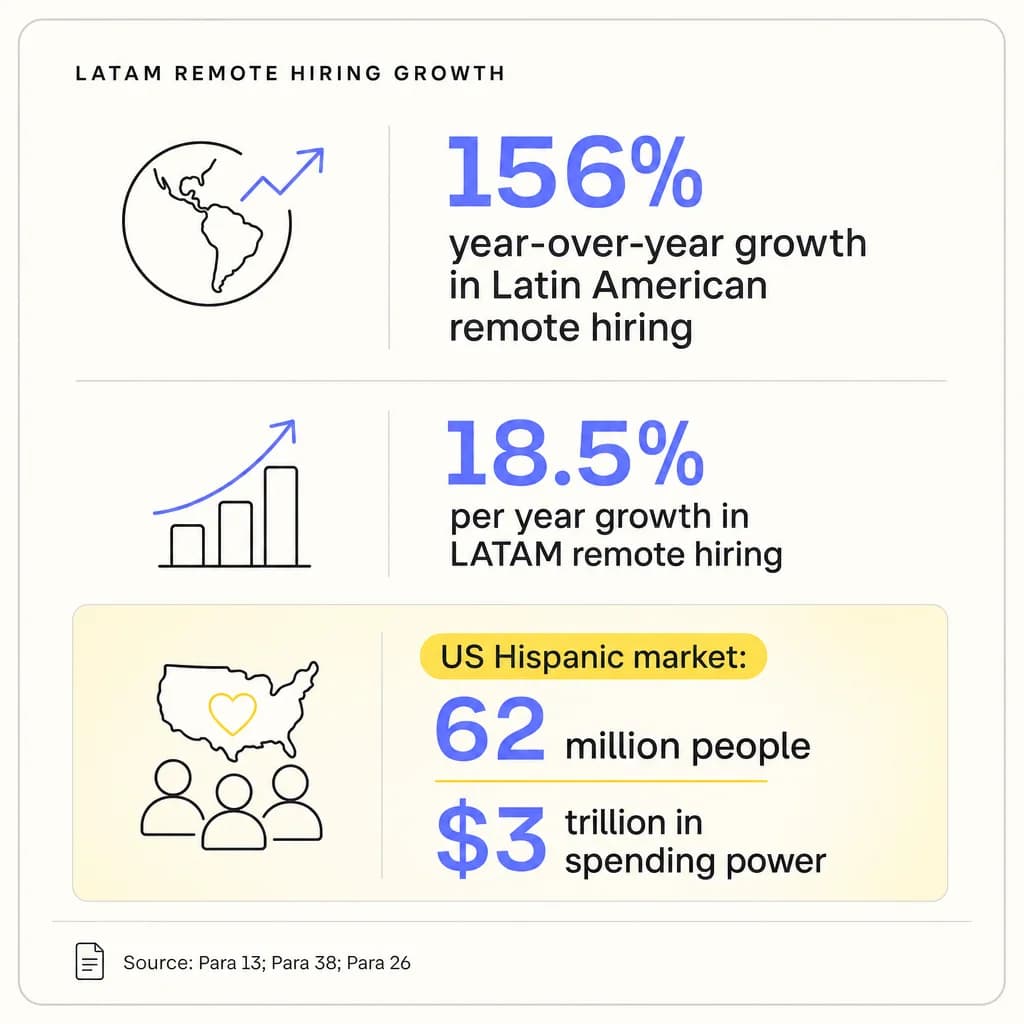
Start with LinkedIn, but be specific. Don’t just post “looking for React developer.” Target your posts to specific countries. Colombia has a different developer community than Argentina.
Look for Discord and Slack communities dedicated to Latin American tech. These exist. You just have to dig a little.
GitHub is your friend here. One founder told a story about hiring someone right after watching their conference talk and reviewing their GitHub. That developer is still with them two years later.
Local meetups and hackathons matter too, even if you’re attending virtually.
or better yet create a profile on HireTalent.LAT
Here’s the checklist most successful tech leaders follow:
- Post on LinkedIn with country-specific targeting
- Join LatAm tech Discord/Slack communities
- Browse GitHub for developers working on projects similar to yours
- Use one vetted nearshore partner or LatAm-specific platform
- Skip the generic global marketplaces for core engineering roles
And here’s something most people miss: Run a short, paid trial project that mirrors real work.
Not a coding test. Not LeetCode problems.
Actual work from your backlog.
You’ll learn more in one week of real collaboration than in ten interviews.
How Do You Know If They’re Actually Good?
This is the fear, right?
You’re worried about weak technical skills. Poor communication. Or hiring someone who’s juggling five other clients and never actually available.
Valid concerns.
Let me tell you what works.
First, technical vetting:
Skip the whiteboard interview. Most great developers freeze up in those anyway.
Instead, give them a realistic take-home task. A small feature. A bug fix. Something that matches your actual tech stack.
Then do a live session where they walk you through their code. Not you grilling them. Just them explaining their thought process.
You’ll know immediately if they understand what they built or if they copied it from Stack Overflow.
Check their GitHub. Look at commit history, not just the pretty README files. Read their code. See how they handle pull requests on other projects.
Now, the communication piece:
Senior Latin American developers typically have English skills on par with North American developers.
But you may still need to test for it.
Ask them to write a sample async status update. Have a brief live conversation.
You’re testing for clarity and nuance. Can they explain technical concepts simply? Do they ask clarifying questions when something’s unclear?
And the “multiple jobs” concern
Just ask directly. “What other clients do you currently work with? How many hours per week?”
Set clear expectations around exclusivity or availability windows upfront.
Then use a 1-2 week paid trial with daily async updates. You’ll immediately see if someone’s actually available or constantly scrambling.
Watch for: Responsiveness. Do they follow acceptance criteria? How do they handle code reviews?
Questions to ask in your interviews:
“Tell me about your last remote team. How did you communicate? How did you manage pull requests? Walk me through how you handled the last major outage.”
These questions reveal way more than “Where do you see yourself in five years?”
How Do You Actually Onboard and Manage Remote Developers?
You’ve hired someone. Great.
Now don’t screw it up.
The first 4-8 weeks are critical:
Don’t expect full productivity from day one. You’re setting yourself up for disappointment.
Instead, build a real onboarding plan. Clear checklists. Documented coding standards. Explicit acceptance criteria for their first few tickets.
Daily async updates plus a weekly sync for the first month. This catches misunderstandings before they become big problems.
What actually makes remote collaboration work:
Clear branching and PR policies.
Documented onboarding. A literal 30/60/90-day plan. What they should learn, what they should ship, what success looks like.
Some companies pair new LatAm developers with experienced internal mentors for the first few sprints. This accelerates everything.
Retention is about respect:
Treat Latin American developers as core engineers. Not “outsourced hands.”
Include them in product discussions. Invite them to demos. Let them lead retrospectives.
Give them career paths. Regular feedback. Opportunities to own projects.
The tech leaders who do this well? Their LatAm developers stay for years.
The ones who treat them like replaceable contractors? They’re constantly hiring.
Before day one, you should have answers to:
- What’s our full tech stack?
- What are our coding standards and where are they documented?
- What’s our meeting cadence?
- How much decision-making authority does this role have?
- Who’s their point of contact for questions?
- What does success look like in month one, three, and six?
If you can’t answer these, you’re not ready to hire anyone, Latin American or otherwise.
What Questions Should Latino Developers Ask You?
“Am I being hired as an employee, contractor, or through an EOR? Who’s my legal employer?”
“How will I be paid? What currency? What method? How often? What about taxes on my side?”
“What time-zone overlap do you expect? What’s the meeting schedule?”
“Do you have documentation? Code review practices? Clear specs? Or will I be guessing what you want?”
If you can’t answer these confidently, work on your hiring process before you post another job.
The Real Question Behind All These Questions
Here’s what I’ve noticed.
All these questions—where to find developers, how to vet them, contractor vs EOR, time zones, pay, onboarding—they all come back to one thing.
You’re worried about making a bad hire.
Fair.
But here’s what successful tech leaders understand.
Hiring Latin American developers isn’t really different from hiring anyone remote.
Hire someone good. Treat them well. Give them interesting work. Pay them fairly.
They’ll stick around.
Overthink it, lowball them, or treat them like they’re disposable?
You’ll be hiring again in six months.
Most of the tech leaders asking these questions aren’t actually asking “How do I hire in Latin America?”
They’re asking “How do I hire well?”
Start there.